Oakland, CA · sandwich and deli shop
Sandwich and deli shop permits Oakland
Opening a sandwich and deli shop in Oakland requires navigating a specific set of permits and licenses. Founders need to understand the local compliance landscape to avoid costly delays and ensure smooth operations. Oakland's food service market shows promise with medium competition density and low rent levels, making it an attractive location for sandwich and deli entrepreneurs.
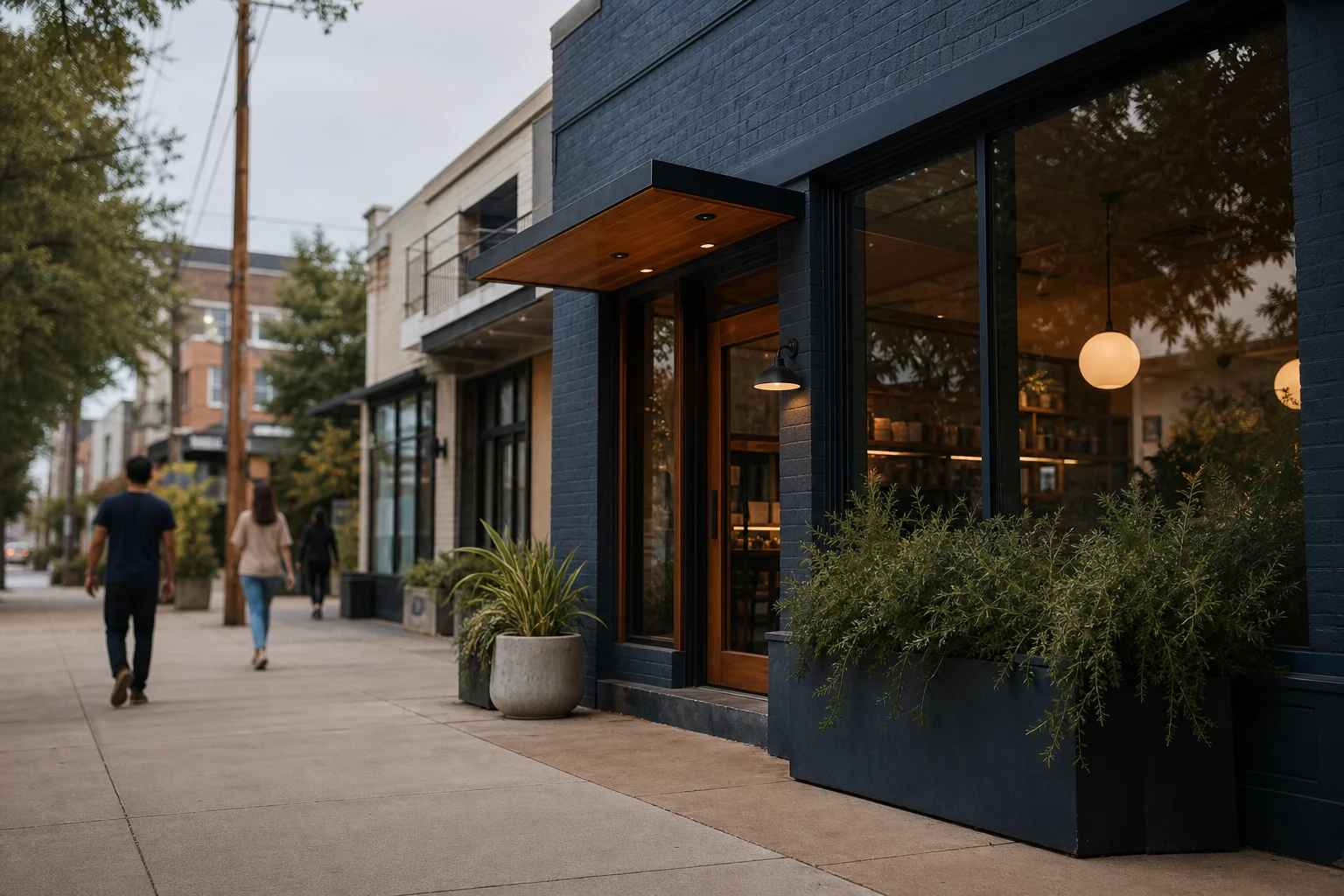
The permit stack to verify
When planning your sandwich and deli shop in Oakland, you'll need to verify several categories of permits and registrations. The city offers promising market conditions with a score confidence of 78% according to Locavisor neighborhood scoring. Understanding the complete permit stack is essential before investing in your business.
City, state, landlord, health, fire, signage, and tax registrations
Oakland's sandwich and deli shop scene presents opportunities across several neighborhoods. Uptown Oakland stands out as the strongest fit with a 7.3/10 score, delivering city-leading lunch-daypart density and strong office-worker concentration around 19th St BART. The area offers excellent walkability and reasonable rent of roughly $30-50/sqft NNN, making it suitable for medium-budget operators.
Old Oakland follows closely with a 7.0/10 score, featuring strong office density around 12th St BART and the Elihu M. Harris State Office building. This area also provides excellent walkability and transit access with similar rent levels. The sandwich-deli field here is thin, mostly represented by Subway and North Beach Sandwicheez (3.6★, 29 reviews), creating room for quality independent operators to capture weekday lunch traffic.
West Oakland presents a value proposition with a 6.6/10 score and the lowest rent band ($20-35/sqft NNN). The area already hosts two established delis—Stay Gold Deli (4.5★, 727 reviews) and Railroad Stop Deli (4.7★, 211 reviews)—that validate sandwich demand. However, founders should note the lower daytime population density and weaker lunch-daypart scores, requiring more effort to build volume.
For city-level compliance, Oakland requires specific registrations that vary by business structure and location. State-level requirements include basic business formation documents and industry-specific registrations. Landlord permissions often involve build-out approvals and operational restrictions that should be documented before signing any lease.
Health department compliance covers food handling, storage, and preparation standards. Fire safety requirements address equipment placement, emergency exits, and suppression systems. Signage regulations govern visibility, size, and illumination of your business signage. Tax registrations include state sales tax permits and local business tax certificates.
Documents to collect before lease signing
Before committing to a lease in Oakland's sandwich and deli market, founders should gather several key documents. Verify zoning regulations for your specific location to ensure food service operations are permitted. Check building codes for any modifications needed for your sandwich and deli concept.
Research historical health inspection reports for nearby food establishments to understand common compliance issues. Review fire safety requirements specific to your equipment layout and seating capacity. Obtain copies of any neighborhood association guidelines that might impact your operations.
For the top three areas identified by Locavisor scoring, consider the unique characteristics of each neighborhood. Uptown Oakland offers the strongest lunch-daypart density, while Old Oakland presents less competition in the sandwich-deli space. West Oakland provides the most affordable option but requires more customer acquisition effort.
What varies by sandwich and deli shop format
The specific permits and licenses required for your Oakland sandwich and deli shop may vary based on your operational format. Full-service establishments with seating areas typically require more extensive health and fire safety compliance than take-only operations.
Mobile sandwich units face different requirements regarding parking locations and health department inspections. Catering operations need additional documentation for off-site food handling and transportation. Your business hours and alcohol service decisions (if applicable) will also impact your permit requirements.
Consider how your menu offerings might affect compliance needs. Fresh meat preparation requires different handling standards than pre-packaged ingredients. Specialized equipment like meat slicers or fryers may trigger additional safety inspections. Your waste management plan will also need to meet Oakland's specific requirements.
FAQ
What permits do I need for A Sandwich and Deli Shop in Oakland?
The exact permits required depend on your specific business model and location. Generally, you'll need city business registration, state business formation documents, and industry-specific health and safety compliance. Landlord permissions are required for any build-out or operational modifications. Signage regulations vary by neighborhood and visibility requirements. Tax registrations include state sales tax permits and local business tax certificates.
How do Oakland's neighborhoods compare for sandwich and deli shops?
According to Locavisor neighborhood scoring, Uptown Oakland leads with a 7.3/10 score, offering the strongest lunch-daypart density and office-worker concentration around 19th St BART. Old Oakland follows with a 7.0/10 score, featuring strong office density around 12th St BART and less direct competition. West Oakland presents a value option with a 6.6/10 score and lower rent ($20-35/sqft NNN), though with weaker daytime population density.
What should I consider before signing a lease for my sandwich and deli shop?
Verify zoning regulations for food service operations, research historical health inspection reports for nearby establishments, review building codes for necessary modifications, and check neighborhood association guidelines. Consider the unique characteristics of each neighborhood—Uptown offers strong lunch traffic, Old Oakland has less competition, and West Oakland provides more affordable rent but requires more customer acquisition effort.
How does my sandwich and deli shop format affect permit requirements?
Full-service establishments with seating typically require more extensive health and fire safety compliance than take-only operations. Mobile units face different parking and inspection requirements. Catering operations need additional documentation for off-site food handling. Your menu offerings and specialized equipment may trigger additional safety inspections, and your waste management plan must meet Oakland's specific requirements.
Last reviewed: 2026-05-08
Sources: U.S. Census Bureau ACS, LEHD LODES, Google Places, OpenStreetMap, Locavisor neighborhood scoring.
Methodology: Locavisor scores neighborhoods across demand, competition fit, rent fit, accessibility, and customer match. Scores reflect a snapshot of recent data and should be combined with on-the-ground research before lease decisions.
Disclaimer: This article provides informational content only and does not constitute legal, financial, accounting, or real-estate advice. Verify lease terms, licensing, local regulations, costs, and professional requirements with qualified local professionals before making business decisions.
Free preview shows top 3 neighborhoods. Full $9.99 report covers all 10 areas with personalized scoring + 90-day check-ins.
Informational only. Verify lease, licensing, local regulations, costs, and professional requirements with qualified local professionals.