San Diego, CA · sandwich and deli shop
Sandwich and deli shop permits San Diego
Opening a sandwich and deli shop in San Diego requires navigating a complex web of permits and licenses. Before you can serve your first signature sandwich, you'll need to verify compliance with city, state, and federal regulations. This guide breaks down the essential permits and licenses you'll need to open your sandwich and deli shop in San Diego's top neighborhoods.
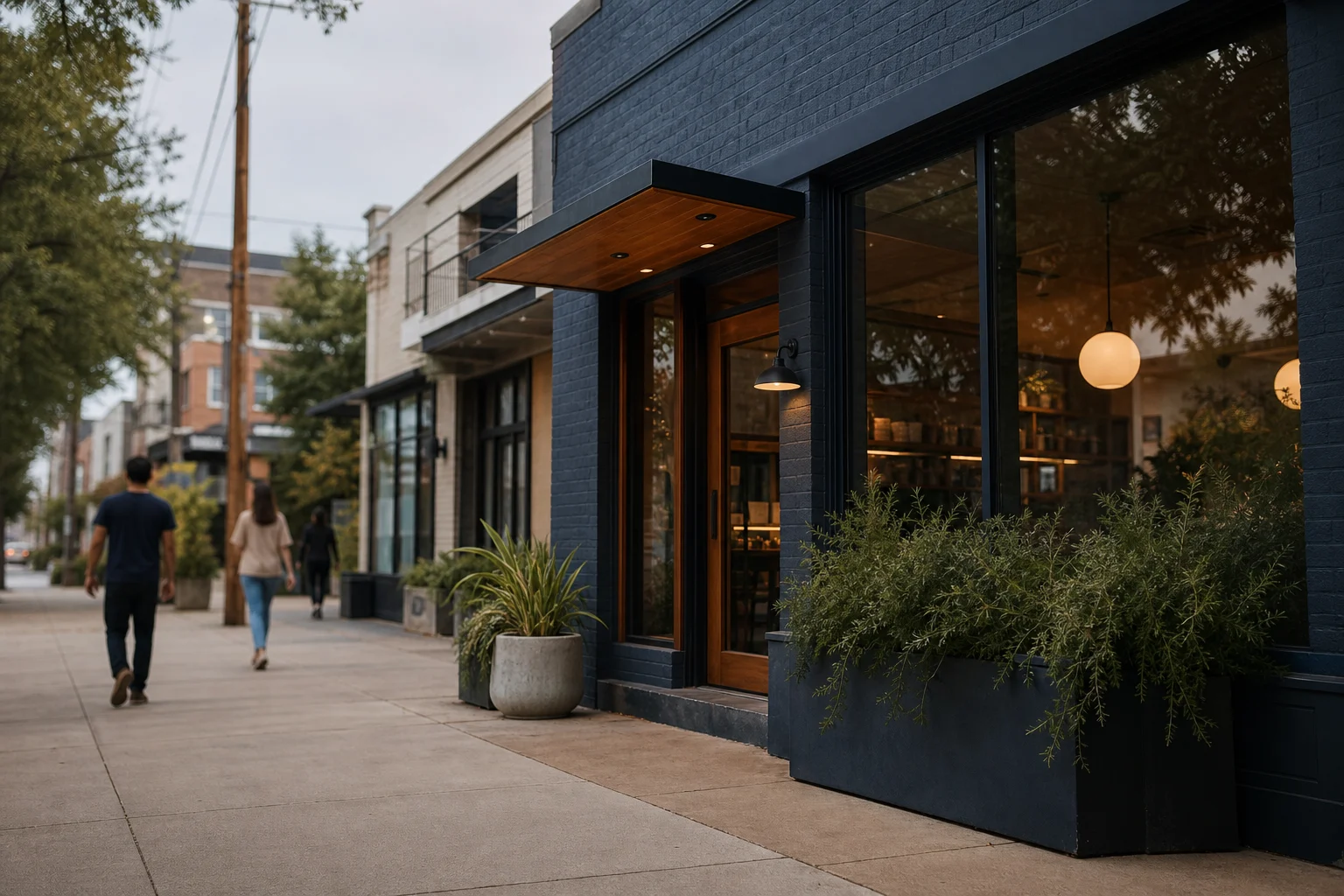
The permit stack to verify
Starting a sandwich and deli shop in San Diego means verifying a stack of permits and licenses. The process begins with understanding your location's specific requirements. San Diego offers three promising neighborhoods for sandwich and deli shops, each with its own characteristics and compliance considerations.
University City / UTC leads with a 7.5/10 score. This UCSD-adjacent corridor features maxed-out office density, strong walkability, and Westfield UTC as a foot-traffic anchor. Expect roughly $45-70/sqft NNN rent. The lunch daypart signal is near ceiling here—making it the strongest weekday-lunch sandwich play in San Diego. However, rent at this tier demands volume. Approximately 10,500 weekday office workers within 800m create a substantial lunch rush opportunity.
Convoy Asian Cultural District scores 6.7/10. This designated Asian cultural district on Convoy Street offers strong daytime population density and moderate rent levels around $30-50/sqft NNN. The lunch daypart is solid but not dominant—this area performs better as an evening/weekend dining corridor. Two existing deli operators (Knockout Deli 4.4★, Surf N Sub Deli 4.7★) operate here but close by 3-5PM, leaving the dinner window open for new entrants.
Downtown / Gaslamp Quarter also scores 6.7/10. This iconic tourist and nightlife corridor features maxed-out walkability and daytime population density. Rent ranges from $30-50/sqft NNN. The challenge: sandwich shops typically rely on weekday lunch business, while Gaslamp's customer mix skews evening/nightlife and weekend tourism. Office density is above-average but not dominant in this area.
City, state, landlord, health, fire, signage, and tax registrations
Your sandwich and deli shop requires multiple registrations across different categories. City-level registrations typically include basic business operating permits and zoning compliance verification. State-level requirements often involve sales tax permits and employer identification if you plan to hire staff.
Landlord requirements may include additional permits beyond city regulations, especially in commercial spaces with specific building restrictions. Health permits are critical for food service businesses and will involve inspections of your facilities, equipment, and food handling processes.
Fire safety compliance is non-negotiable for any food service establishment. Your sandwich and deli shop will need to meet fire safety standards including proper exits, extinguishers, and possibly sprinkler systems depending on your space's configuration.
Signage permits are often required for any exterior signage, including your shop's name, hours, and promotional materials. Tax registrations include both state sales tax and potentially local business taxes depending on San Diego's specific requirements.
Insurance requirements typically include general liability and property coverage, with additional policies like workers' compensation if you have employees. Professional review from attorneys or consultants familiar with San Diego's food service regulations can help ensure you've covered all bases.
Documents to collect before lease signing
Before signing a lease for your sandwich and deli shop, collect all necessary documentation to verify compliance requirements. This includes zoning verification documents confirming your intended use is permitted at the location.
Building permits may be required depending on the extent of renovations planned for your space. Health department documentation should outline specific requirements for food preparation areas, storage, and customer service spaces.
Fire marshal documentation will specify necessary safety equipment and modifications. Signage guidelines from both the city and property owner will help you plan your exterior and interior signage.
Tax registration documents should be obtained early to avoid delays in opening. Insurance certificates may be required by your landlord as part of the lease agreement. Professional verification from consultants can help ensure all documents meet current standards.
What varies by sandwich and deli shop format
The specific permits and licenses required for your sandwich and deli shop may vary based on your business format. A quick-service sandwich shop with limited seating will have different requirements than a full-service deli with dine-in seating and alcohol service.
Food preparation methods impact health permit requirements. Shops using specialized equipment or processes may need additional inspections or certifications. Your menu offerings will determine specific health and safety considerations.
Operating hours affect various permit requirements. Late-night operations may have additional security and safety considerations. Delivery services require separate permits and compliance with local regulations.
Seasonal operations or special events may require temporary permits. Your business structure (corporation, LLC, sole proprietorship) affects tax and licensing requirements. Employee count influences specific permits and insurance requirements.
FAQ
What permits do I need for A Sandwich and Deli Shop in San Diego?
You'll need basic business operating permits from the city, state sales tax registration, health permits for food service, fire safety compliance, signage permits, and appropriate insurance coverage. Requirements vary based on your specific location, business format, and operations.
How long does the permit process take in San Diego?
Processing times vary depending on the type of permit and current application volumes. Some permits may be approved quickly while others require inspections and additional documentation.
Can I apply for permits before finding a location?
Some registrations like business name registration and tax IDs can be completed early. However, location-specific permits like health and fire safety require a physical space to inspect.
What's the most expensive permit for a sandwich shop?
Health department permits often involve the most significant costs due to required equipment, facility modifications, and inspection processes.
Do I need different permits for outdoor seating?
Outdoor seating typically requires additional permits and may involve separate health and safety considerations.
How often do I need to renew my permits?
Renewal periods vary by permit type, with some requiring annual renewal and others having longer validity periods.
Can I handle permits myself or should I hire a professional?
While many permits can be obtained independently, professional assistance ensures compliance and can prevent costly mistakes.
What happens if I operate without proper permits?
Operating without required permits can result in fines, closure orders, and legal consequences.
Are there special considerations for University City / UTC?
University City's high office density creates strong lunch demand but also requires meeting specific zoning and operational requirements for commercial food service.
How does Convoy Asian Cultural District's evening focus affect permits?
The evening/weekend customer base may impact operating hours requirements and potentially necessitate different health and safety considerations than lunch-focused locations.
Last reviewed: 2026-05-08
Sources: U.S. Census Bureau ACS, LEHD LODES, Google Places, OpenStreetMap, Locavisor neighborhood scoring.
Methodology: Locavisor scores neighborhoods across demand, competition fit, rent fit, accessibility, and customer match. Scores reflect a snapshot of recent data and should be combined with on-the-ground research before lease decisions.
Disclaimer: This article provides informational content only and does not constitute legal, financial, accounting, or real-estate advice. Verify lease terms, licensing, local regulations, costs, and professional requirements with qualified local professionals before making business decisions.
Free preview shows top 3 neighborhoods. Full $9.99 report covers all 10 areas with personalized scoring + 90-day check-ins.
Informational only. Verify lease, licensing, local regulations, costs, and professional requirements with qualified local professionals.