San Francisco, CA · sandwich and deli shop
Sandwich and deli shop permits San Francisco
Opening a sandwich and deli shop in San Francisco requires navigating a complex web of permits and licenses. Before you can serve your first customer, you'll need to verify compliance with city, state, and federal regulations. This guide breaks down the essential permits and licenses you'll need to open your sandwich and deli shop in San Francisco, helping you avoid costly delays and ensure your business operates smoothly from day one.
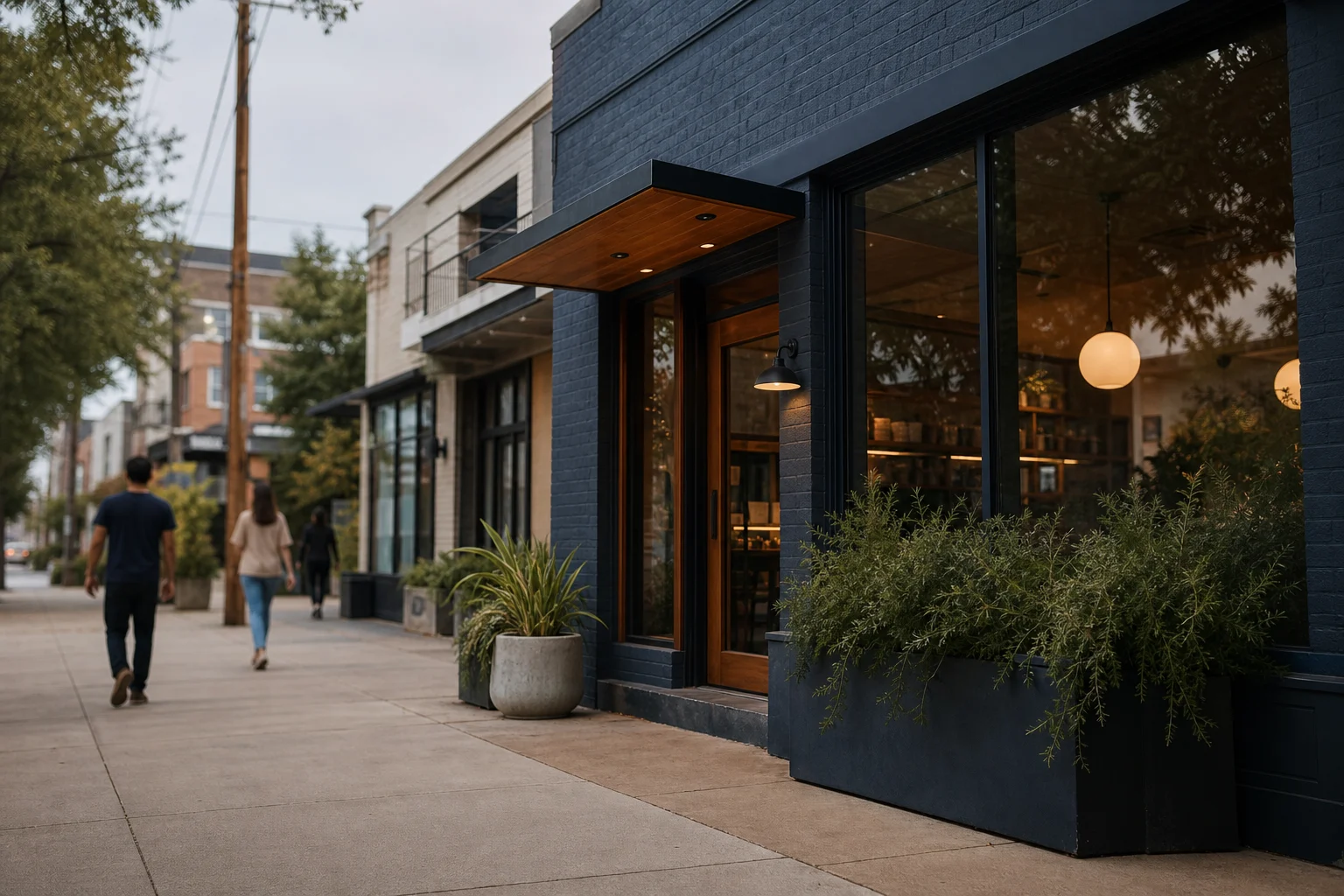
The permit stack to verify
When planning your sandwich and deli shop in San Francisco, understanding the full permit stack is crucial. Locavisor neighborhood scoring shows that the Tenderloin ranks #1 for a sandwich-deli on paper, with maxed-out walkability, transit, and daytime population density. Nob Hill and Chinatown also present strong options with scores of 6.8/10 and 6.6/10 respectively. Each neighborhood offers unique advantages and challenges that may influence your permit requirements.
The market temperature for sandwich and deli shops in San Francisco is promising, with medium competition density. However, rent levels are high across all top neighborhoods, which may impact your budget for permits and licenses. Before diving into the specifics, it's important to note that this guide focuses on general categories of permits rather than specific programs or departments.
City, state, landlord, health, fire, signage, and tax registrations
Your sandwich and deli shop will require multiple layers of permits and registrations. City-level requirements typically include basic business registration and zoning compliance. In San Francisco, you'll need to verify that your chosen location is properly zoned for food service operations. The Tenderloin, Nob Hill, and Chinatown all have different zoning considerations that may affect your specific requirements.
State-level requirements often include sales tax registration and employer identification numbers. For a food service business like a sandwich and deli shop, you'll need to register for state sales tax collection. Additionally, if you plan to hire employees, you'll need to register for state payroll taxes.
Landlord requirements vary by property but typically include lease approval for your intended use. Before signing a lease, ensure your landlord understands your business plans and is willing to accommodate the specific needs of a sandwich and deli operation. This may include approval for kitchen equipment, signage, and customer traffic patterns.
Health permits are critical for any food service business. You'll need to verify compliance with food safety regulations, including proper food handling, storage, and preparation practices. The specific requirements will depend on the scale and nature of your sandwich and deli operations.
Fire safety permits ensure your business meets fire code requirements. This includes proper exits, fire extinguishers, and any special considerations for cooking equipment. In older buildings like those found in San Francisco's historic neighborhoods, additional fire safety measures may be required.
Signage permits regulate the size, placement, and illumination of your business signs. San Francisco has specific regulations regarding signage in commercial districts, which may affect how you market your sandwich and deli shop.
Tax registrations include federal, state, and local tax requirements. Beyond sales tax, you may need to consider business property tax, payroll tax, and any local taxes specific to San Francisco.
Documents to collect before lease signing
Before committing to a lease for your sandwich and deli shop, gather all necessary documentation to ensure a smooth permitting process. This includes proof of identity, business registration documents, and any relevant industry experience or certifications.
Verify that the property has the necessary infrastructure to support a sandwich and deli operation. This includes adequate plumbing, electrical capacity, and ventilation systems. Older buildings in neighborhoods like the Tenderloin may require additional upgrades to meet current standards.
Research the specific requirements for your chosen neighborhood. The Tenderloin offers maxed-out walkability and transit access but may have additional considerations due to its urban environment. Nob Hill provides strong office-worker lunch demand but presents challenges due to its hilltop location. Chinatown delivers maximum office-worker lunch demand but comes with high rent costs.
What varies by sandwich and deli shop format
The specific permits and licenses you'll need can vary based on your sandwich and deli shop format. A quick-service sandwich shop may have different requirements than a full-service deli with seating area. Similarly, a shop that specializes in prepared foods may need additional permits compared to one that primarily makes sandwiches to order.
Consider whether your business will include alcohol service, which would require additional permits. If you plan to offer catering services, you may need separate permits for off-premise food service. The scale of your operation will also impact your permit requirements, with larger facilities typically requiring more extensive documentation.
Your business model may affect your tax obligations. For example, if you plan to franchise your sandwich and deli shop, you'll need to comply with additional franchising regulations. Similarly, if you plan to operate as a corporation rather than a sole proprietorship, you'll need to register accordingly.
FAQ
What permits do I need for A Sandwich and Deli Shop in San Francisco?
You'll need a combination of city, state, landlord, health, fire, signage, and tax registrations to operate a sandwich and deli shop in San Francisco. The specific requirements will depend on your location, business model, and scale of operations. Before opening, verify compliance with all relevant regulations to avoid costly delays and ensure your business operates smoothly.
How do neighborhood requirements differ in San Francisco?
The Tenderloin, Nob Hill, and Chinatown each present unique considerations for sandwich and deli shop operators. The Tenderloin offers maxed-out walkability and transit access but may have additional challenges due to its urban environment. Nob Hill provides strong office-worker lunch demand but presents challenges due to its hilltop location. Chinatown delivers maximum office-worker lunch demand but comes with high rent costs. Each neighborhood may have specific zoning and permitting requirements that affect your business.
What documents should I prepare before signing a lease?
Before signing a lease for your sandwich and deli shop, gather proof of identity, business registration documents, and any relevant industry experience or certifications. Verify that the property has the necessary infrastructure to support your operations, including adequate plumbing, electrical capacity, and ventilation systems. Research the specific requirements for your chosen neighborhood to ensure compliance with all relevant regulations.
How does my business model affect permit requirements?
Your business model significantly impacts the permits and licenses you'll need. A quick-service sandwich shop may have different requirements than a full-service deli with seating area. If you plan to include alcohol service, offer catering, or operate as a franchise, you'll need additional permits. The scale of your operation will also affect your permit requirements, with larger facilities typically requiring more extensive documentation.
What should I consider when choosing a location for my sandwich and deli shop?
When selecting a location for your sandwich and deli shop, consider factors like walkability, transit access, competition density, and rent levels. The Tenderloin ranks #1 for sandwich-deli operations with maxed-out walkability and transit access. Nob Hill offers strong office-worker lunch demand, while Chinatown delivers maximum office-worker lunch demand but comes with high rent costs. Consider how neighborhood conditions align with your concept and staffing capabilities before making a decision.
Last reviewed: 2026-05-08
Sources: U.S. Census Bureau ACS, LEHD LODES, Google Places, OpenStreetMap, Locavisor neighborhood scoring.
Methodology: Locavisor scores neighborhoods across demand, competition fit, rent fit, accessibility, and customer match. Scores reflect a snapshot of recent data and should be combined with on-the-ground research before lease decisions.
Disclaimer: This article provides informational content only and does not constitute legal, financial, accounting, or real-estate advice. Verify lease terms, licensing, local regulations, costs, and professional requirements with qualified local professionals before making business decisions.
Free preview shows top 3 neighborhoods. Full $9.99 report covers all 10 areas with personalized scoring + 90-day check-ins.
Informational only. Verify lease, licensing, local regulations, costs, and professional requirements with qualified local professionals.