Seattle, WA · sandwich and deli shop
Sandwich and deli shop permits Seattle
Opening a sandwich and deli shop in Seattle requires navigating a complex web of permits and licenses. This founder-facing checklist breaks down the compliance landscape for your new venture, helping you understand what needs verification before you open your doors. Seattle's market for sandwich and deli shops shows promising temperature with medium competition density and low rent levels, making it an attractive location for entrepreneurs. Based on Locavisor neighborhood scoring, the top three areas for your sandwich and deli shop are Madrona / Leschi (7.5/10), Eastlake / Cascade (7.4/10), and Central District (7.2/10).
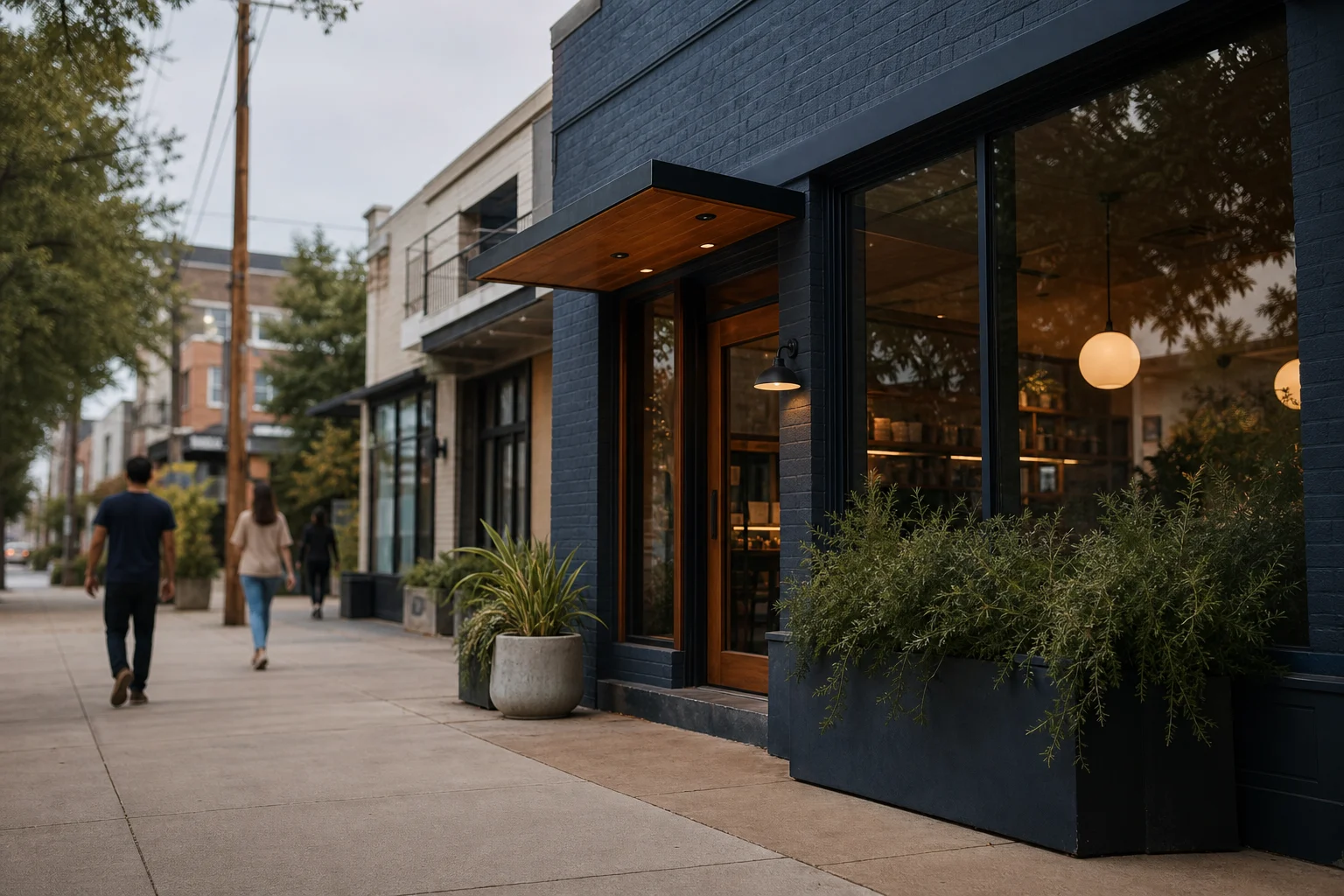
The permit stack to verify
Before launching your sandwich and deli shop in Seattle, you'll need to verify several categories of permits and licenses. This checklist provides a framework for understanding what compliance requirements exist, though it's not a substitute for professional advice. The permit stack typically includes city, state, landlord, health, fire, signage, and tax registrations. Each category serves a specific purpose in ensuring your business operates legally and safely. Founders should approach this process systematically, verifying requirements well before opening day to avoid costly delays or compliance issues.
City, state, landlord, health, fire, signage, and tax registrations
Your sandwich and deli shop will need to comply with multiple regulatory layers. City requirements typically include basic business registration and zoning compliance. State regulations often cover sales tax collection and employer obligations. Landlord requirements may involve modifications to the space and operational restrictions. Health regulations focus on food safety and handling procedures. Fire safety requirements address emergency exits and equipment. Signage regulations govern the visibility and placement of your business标识. Tax registrations include state and local business taxes. Each category requires separate verification to ensure full compliance before opening.
Documents to collect before lease signing
Before committing to a commercial space for your sandwich and deli shop, collect and verify several key documents. These include zoning verification confirming the property allows food service operations, building code compliance documentation, and any existing health or safety certifications. Review the lease for clauses related to business operations, modifications, and compliance responsibilities. Obtain utility information to understand operational costs and capacity. Verify parking availability and accessibility requirements. Collect information about neighborhood regulations that might affect your operations. These documents help ensure the location meets your operational needs before you invest in lease improvements and inventory.
What varies by sandwich and deli shop format
The specific permits and licenses your sandwich and deli shop needs may vary based on your operational format. Takeout-focused shops have different requirements than those with full dine-in service. Madrona / Leschi (7.5/10) ranks #1 on paper — maxed-out office index and strong lunch daypart signal, with zero direct sandwich-deli competitors within the core. But the office anchors here are thin (coworking spaces, a community center) rather than dense corporate campuses. Eastlake / Cascade (7.4/10) is the strongest lunch-corridor play in this set. The office index is maxed out with Amazon's Atlas building and Fred Hutch Eastlake Building nearby, plus coworking hubs. Daytime population density is near ceiling — roughly 10,500 weekday workers within 800m. Central District (7.2/10) ranks #3 with strong walkability, near-maxed daytime population density, and a vibrant retail corridor along 23rd Ave. The office index is strong but the office anchors are mostly coworking spaces and small business centers rather than large employers. Your format will influence which regulatory categories require more attention during verification.
FAQ
What permits do I need for A Sandwich and Deli Shop in Seattle?
Your sandwich and deli shop in Seattle will need verification across multiple categories including city business registration, state tax compliance, landlord approvals, health regulations, fire safety requirements, signage permissions, and tax registrations. The specific requirements depend on your shop's format and location within the city.
How early should I start the permit verification process?
Begin verifying permits and licenses well before your planned opening date. The verification process can take time, and requirements may vary based on your specific location and shop format. Starting early helps avoid delays in your opening timeline.
Do different neighborhoods in Seattle have different permit requirements?
While the basic categories of permits remain consistent across Seattle, specific requirements may vary by neighborhood. The top three areas for sandwich and deli shops based on Locavisor neighborhood scoring are Madrona / Leschi (7.5/10), Eastlake / Cascade (7.4/10), and Central District (7.2/10), each with its own characteristics that might affect your compliance approach.
Last reviewed: 2026-05-08
Sources: U.S. Census Bureau ACS, LEHD LODES, Google Places, OpenStreetMap, Locavisor neighborhood scoring.
Methodology: Locavisor scores neighborhoods across demand, competition fit, rent fit, accessibility, and customer match. Scores reflect a snapshot of recent data and should be combined with on-the-ground research before lease decisions.
Disclaimer: This article provides informational content only and does not constitute legal, financial, accounting, or real-estate advice. Verify lease terms, licensing, local regulations, costs, and professional requirements with qualified local professionals before making business decisions.
Free preview shows top 3 neighborhoods. Full $9.99 report covers all 10 areas with personalized scoring + 90-day check-ins.
Informational only. Verify lease, licensing, local regulations, costs, and professional requirements with qualified local professionals.