Boston, MA · ramen and pho shop
Best neighborhoods for a ramen and pho shop in Boston
For small-business founders looking to open a ramen and pho shop in Boston, location selection is critical to success. The right neighborhood can provide the foot traffic, customer base, and operational advantages needed to thrive in this competitive market. Based on Locavisor's location intelligence analysis, Quincy Center / North Quincy emerges as the top recommendation for a ramen and pho shop, with an overall score of 6.5/10 and confidence rating of 85%.
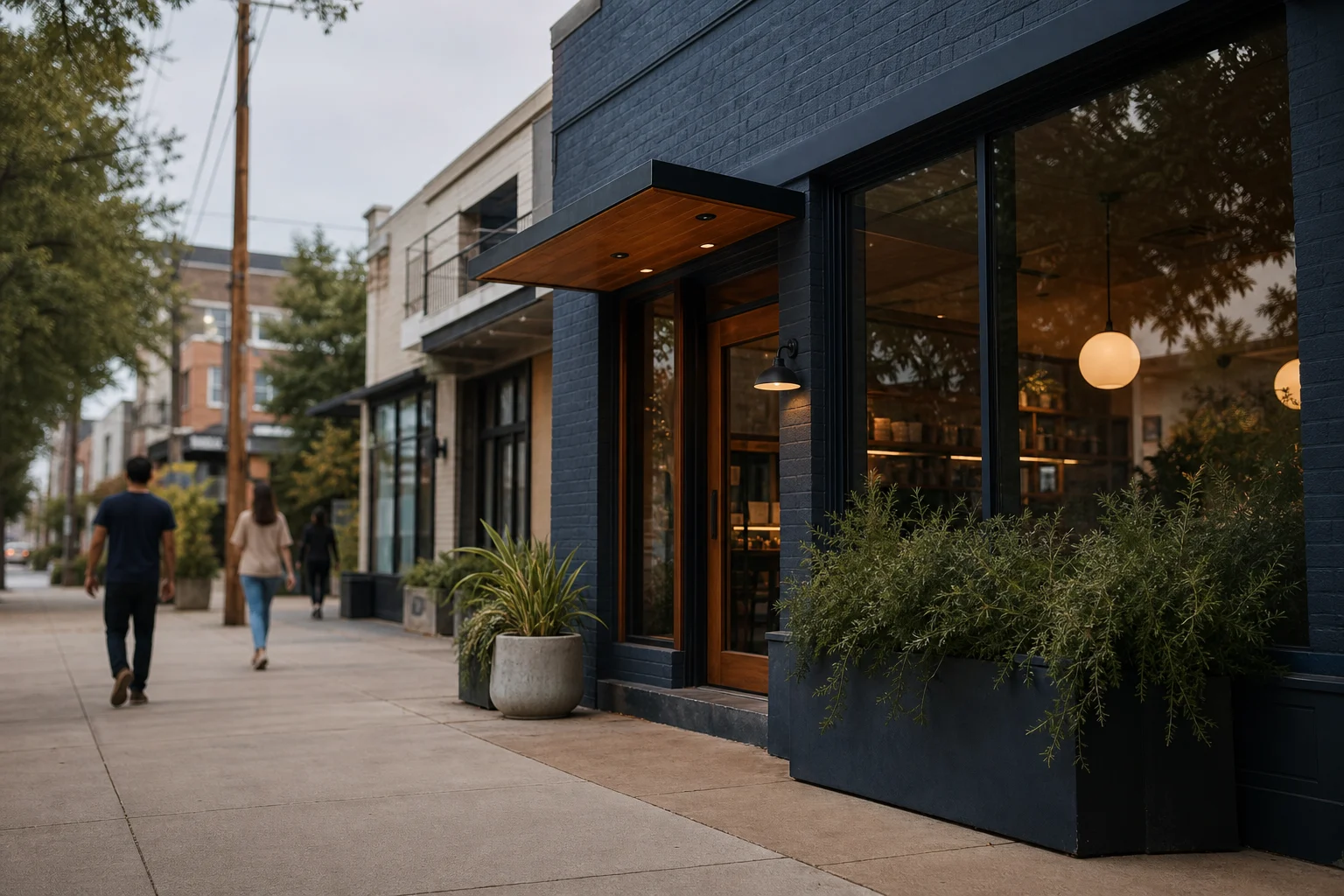
Where is the best location for a ramen and pho shop in Boston?
This is the fundamental question every founder must answer before committing to a lease. The ideal location balances several factors: proximity to your target demographic, visibility, accessibility, and cost-effectiveness. Boston's diverse neighborhoods offer different advantages for food businesses, particularly those specializing in ramen and pho, which appeal to both local residents and students.
When evaluating potential locations, consider these key factors:
- Foot traffic patterns and pedestrian density
- Proximity to colleges, universities, and office complexes
- Competition density and market saturation
- Rent affordability relative to expected revenue
- Accessibility via public transportation
- Local dining culture and customer preferences
Top neighborhoods for a ramen and pho shop in Boston
Based on Locavisor's comprehensive scoring system, here are the top five neighborhoods for opening a ramen and pho shop in Boston:
Quincy Center / North Quincy
With an overall score of 6.5/10 and confidence rating of 85%, Quincy Center / North Quincy tops our list. This neighborhood offers a compelling mix of anchors including North Quincy Plaza (mall), Workbar Quincy (office), and Gamma North Quincy (office). The rent band here is $26-$150/sqft/yr NNN, making it significantly more affordable than Boston's downtown areas. The presence of North Quincy High School and the North Quincy transit station provides steady foot traffic throughout the day.
Cambridge (Harvard Square)
Harvard Square in Cambridge scores 6.3/10 with 85% confidence. This prestigious neighborhood benefits from being home to Harvard University and The Academy at Harvard Square. Major anchors include The Atrium (mall), Porter Square Galleria (mall), and Regus - Cambridge - Harvard Square Mifflin Place (office). The rent band here is $85/sqft/yr NNN, reflecting the premium location. Existing competition includes Hokkaido Ramen Santouka Harvard Square, which has built a strong reputation with 4.5 stars from 2,970 reviews.
Cambridge (Kendall Square / MIT)
Kendall Square near MIT scores 6.0/10 with 85% confidence. This tech-focused neighborhood features anchors like CambridgeSide (mall), One Kendall Square (mall), and Google Cambridge (office). The Massachusetts Institute of Technology and Kendall/MIT transit station drive significant foot traffic. The rent band matches Harvard Square at $85/sqft/yr NNN. This area attracts a younger, tech-savvy demographic that appreciates quick, quality meals.
Back Bay
Back Bay scores 6.0/10 with 85% confidence and represents Boston's premier shopping district. Anchors include Copley Place (mall), Prudential Center Boston (mall), and Workbar Back Bay (office). The rent band here is significantly higher at $150/sqft/yr NNN, reflecting the prime location. Competition is strong here with multiple established players including Pho Basil (4.4 stars, 2257 reviews), REDWHITE BONELESS RAMEN (4.5 stars, 1532 reviews), and Hokkaido Ramen Santouka Back Bay (4.5 stars, 1839 reviews).
Fenway-Kenmore
Fenway-Kenmore ties with Back Bay at 5.8/10 with 85% confidence. This neighborhood benefits from proximity to Boston University and the Red Sox stadium. Anchors include Prudential Center Boston (mall), Huntington Plaza (mall), and Fenway (office). The rent band is $26-$150/sqft/yr NNN, offering more flexibility than Back Bay. The Kenmore and Fenway transit stations provide excellent accessibility.
Neighborhood comparison table
| Neighborhood | Score | Confidence | Rent Band | Key Anchors | Competition Density |
|---|---|---|---|---|---|
| Quincy Center / North Quincy | 6.5/10 | 85% | $26-$150/sqft/yr NNN | North Quincy Plaza, Workbar Quincy, North Quincy High School | Moderate |
| Cambridge (Harvard Square) | 6.3/10 | 85% | $85/sqft/yr NNN | Harvard University, The Atrium, Regus | High |
| Cambridge (Kendall Square / MIT) | 6.0/10 | 85% | $85/sqft/yr NNN | MIT, Google Cambridge, CambridgeSide | High |
| Back Bay | 5.8/10 | 85% | $150/sqft/yr NNN | Copley Place, Prudential Center, Boston University | Very High |
| Fenway-Kenmore | 5.8/10 | 85% | $26-$150/sqft/yr NNN | Boston University, Prudential Center, Fenway | High |
How to validate the shortlist before signing a lease
Before committing to any location, founders should conduct thorough due diligence. Here are key validation steps:
Visit during different times of day and week: Observe foot traffic patterns, customer demographics, and competition activity during morning, afternoon, and evening hours, as well as weekdays versus weekends.
Analyze transportation access: Evaluate proximity to subway stations, bus routes, and parking availability. The North Quincy, Harvard, Kendall/MIT, Back Bay, Kenmore, and Fenway transit stations are particularly important for each respective neighborhood.
Assess local dining culture: Spend time in each neighborhood to understand customer preferences. In Back Bay, for example, you'll find established competition like Pho Basil and REDWHITE BONELESS RAMEN, indicating strong demand for Asian noodle dishes.
Review local business regulations: Contact the Boston Inspectional Services Department to understand specific requirements for food establishments in each neighborhood.
Calculate rent affordability: Compare the rent bands ($26-$150/sqft/yr NNN for Quincy Center, $85/sqft/yr NNN for Cambridge areas, and $150/sqft/yr NNN for Back Bay) against your projected revenue to ensure financial viability.
Evaluate anchor tenant synergy: Consider how well your ramen and pho shop would complement existing anchors. For instance, a location near North Quincy High School might benefit from student traffic during lunch hours.
Local competition signals to check
Understanding the competitive landscape is crucial for positioning your ramen and pho shop effectively. Here's what our research reveals about the Boston market:
Harvard Square: Hokkaido Ramen Santouka has established a strong presence with 4.5 stars from nearly 3,000 reviews, indicating customer loyalty and quality standards that new entrants must match or exceed.
Back Bay: This neighborhood shows the highest competition density with multiple established players including Pho Basil (4.4 stars, 2257 reviews), REDWHITE BONELESS RAMEN (4.5 stars, 1532 reviews), and Hokkaido Ramen Santouka Back Bay (4.5 stars, 1839 reviews). New businesses here must offer clear differentiation.
Operational consistency: Many reviews mention inconsistent food quality, with specific issues like "undercooked eggs," "flavorless pancakes," and "occasional musty smell." Service speed and consistency are also common points of feedback, with some locations struggling to meet customer expectations.
Value perception: The market shows mixed reactions to pricing, with most reviewers finding prices reasonable for current market conditions, while a minority feels the cost doesn't match food quality. This suggests an opportunity for businesses that can deliver exceptional value.

FAQ
Q: What makes Quincy Center / North Quincy the top recommendation despite lower scores in some categories? A: Quincy Center / North Quincy offers the best balance of affordability and potential customer base. With a rent band of $26-$150/sqft/yr NNN, it's significantly more accessible for new businesses compared to Back Bay's $150/sqft/yr NNN. The presence of North Quincy Plaza, Workbar Quincy, and North Quincy High School provides diverse customer segments throughout the day.
Q: How does the competition in Back Bay compare to other neighborhoods? A: Back Bay has the highest competition density with multiple established ramen and pho shops including Pho Basil, REDWHITE BONELESS RAMEN, and Hokkaido Ramen Santouka Back Bay. While this indicates strong market demand, new entrants must offer clear differentiation through unique menu items, superior service, or a distinct atmosphere to capture market share.
Q: What should I look for in a lease agreement for a ramen and pho shop in Boston? A: Focus on triple net (NNN) terms that account for property taxes, insurance, and maintenance. Verify that the space meets Boston's food establishment requirements, including proper ventilation, plumbing, and electrical capacity. Consider lease flexibility that allows for future expansion or relocation if the neighborhood doesn't meet your customer acquisition goals.
Q: How important is proximity to public transportation for a ramen and pho shop? A: Extremely important. Neighborhoods with strong transit access like North Quincy, Harvard, Kendall/MIT, Back Bay, Kenmore, and Fenway see higher foot traffic from commuters and students. Ensure your location is within walking distance (typically 5-10 minutes) of major transit stations to maximize visibility and accessibility.
This analysis provides a data-driven foundation for your location decision, but remember that local knowledge and personal visits are irreplaceable. Use this research to narrow your focus, then conduct your own due diligence to find the perfect spot for your ramen and pho shop in Boston.
Last reviewed: 2026-05-30
Sources: U.S. Census Bureau ACS, LEHD LODES, Google Places, OpenStreetMap, Locavisor neighborhood scoring.
Methodology: Locavisor scores neighborhoods across demand, competition fit, rent fit, accessibility, and customer match. Scores reflect a snapshot of recent data and should be combined with on-the-ground research before lease decisions.
Disclaimer: This article provides informational content only and does not constitute legal, financial, accounting, or real-estate advice. Verify lease terms, licensing, local regulations, costs, and professional requirements with qualified local professionals before making business decisions.
Free preview shows top 3 neighborhoods. Full $9.99 report covers all 10 areas with personalized scoring + 90-day check-ins.
Informational only. Verify lease, licensing, local regulations, costs, and professional requirements with qualified local professionals.