Detroit, MI · ramen and pho shop
Best neighborhoods for a ramen and pho shop in Detroit
Finding the right location can make or break your ramen and pho shop in Detroit. The city's diverse neighborhoods offer unique opportunities for this type of Asian fusion concept, but not all areas are created equal. This guide ranks the best neighborhoods for opening a ramen and pho shop based on demand, competition, rent fit, accessibility, and customer match.
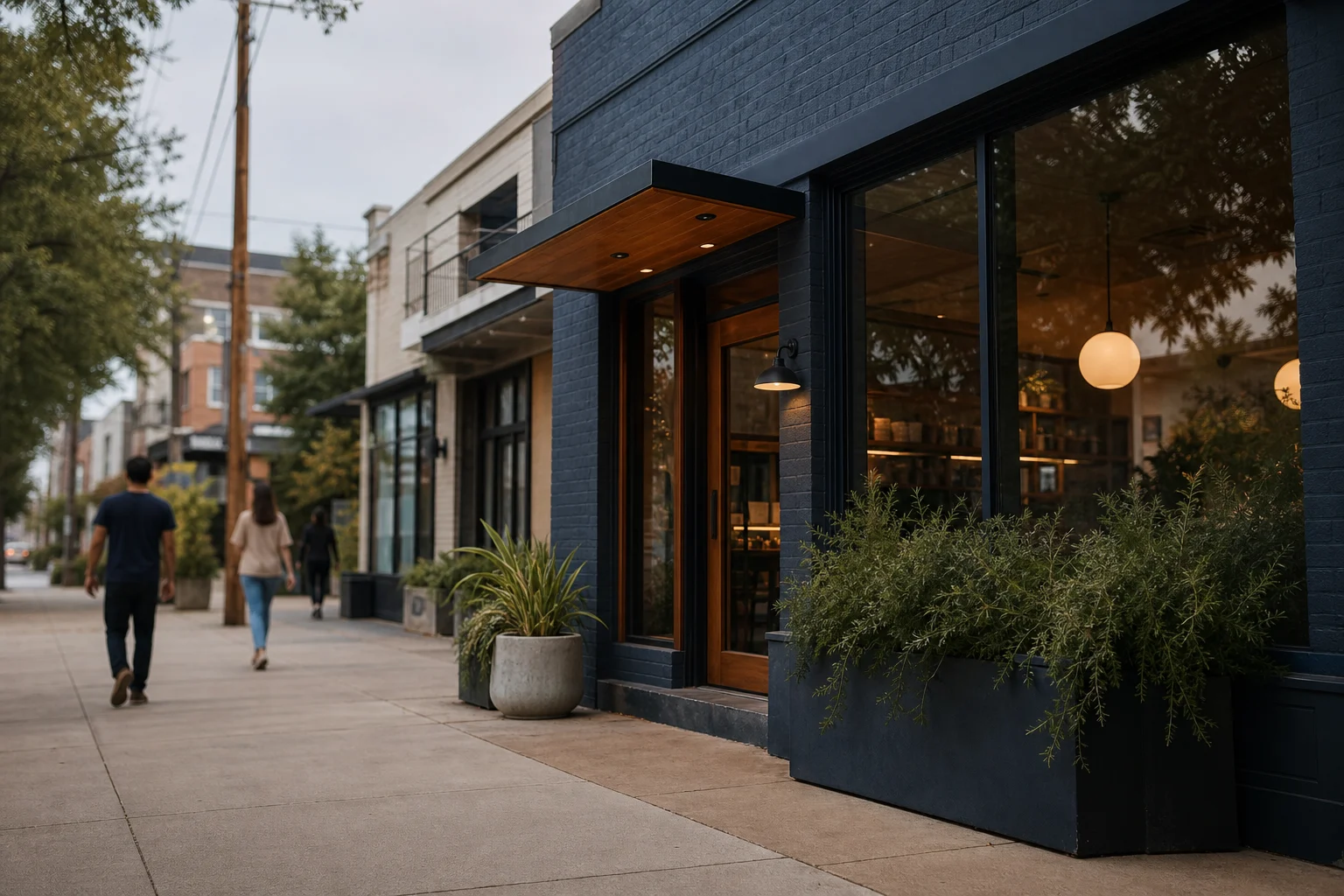
Why location fit matters for a ramen and pho shop
Location is critical for any restaurant, but especially for a ramen and pho shop that combines two distinct culinary traditions. Your success depends on finding an area with the right mix of foot traffic, target customers, and minimal direct competition. Detroit's neighborhoods vary dramatically in daytime population density, residential demographics, and dining habits. A location that works for a fine dining establishment may not suit a casual ramen and pho concept. The ideal spot balances visibility, accessibility, and operational costs while aligning with your business model—whether you're targeting office workers for lunch, residents for dinner, or both.
Top 3 neighborhoods to consider
Based on Locavisor neighborhood scoring, here are the top three areas for opening a ramen and pho shop in Detroit:
Downtown Detroit (6.5/10)
Detroit's downtown core — Woodward Ave, Campus Martius, GM Renaissance Center — is the city's densest weekday lunch market. Zero direct ramen/pho competitors within the search radius, which is both an opportunity and a yellow flag: the concept is unproven here. Expect roughly $30-50/sqft NNN. The market temperature is mixed with medium competition density and low rent level. Score confidence is 78% based on a 2026-05 snapshot.
Positioning: Best for a takeout-first concept in Downtown Detroit's dense weekday lunch corridor — first-mover advantage with zero direct competitors.
Lafayette Park (6.3/10)
Lafayette Park sits just east of downtown — Mies van der Rohe townhouses, strong residential density, and a 12-min walk to the core. Expect roughly $30-50/sqft NNN. Office density is near ceiling, which powers a strong lunch daypart, but the family index is very low and affluence is moderate. No direct ramen/pho competitors found. The market temperature is mixed with medium competition density and low rent level. Score confidence is 78% based on a 2026-05 snapshot.
Corktown (6.2/10)
Corktown — Michigan Ave corridor anchored by the Ford Michigan Central Station redevelopment and Slows Bar BQ. Expect roughly $30-50/sqft NNN. The area has a strong evening bar-and-dining scene (Corktown Taphouse, Lager House, Sugar House) but the lunch daypart is below-average compared to downtown. No direct ramen/pho competitors. The market temperature is mixed with medium competition density and low rent level. Score confidence is 78% based on a 2026-05 snapshot.
How the neighborhood scores are built
Locavisor's neighborhood scoring evaluates each area across five key dimensions for a ramen and pho shop:
- Demand: Foot traffic patterns, daytime population density, and mealtime activity
- Competition: Density of similar concepts and overall restaurant saturation
- Rent fit: Commercial real estate costs relative to expected revenue
- Accessibility: Transportation links, parking availability, and visibility
- Customer match: Demographic alignment with ramen and pho target customers
Each neighborhood receives a score from 1-10, with higher scores indicating better overall fit for this specific business type. The scoring system weights demand and customer match most heavily, as these directly impact revenue potential. Competition and rent fit are important but can be managed with strong execution. Accessibility affects operational efficiency but has less direct impact on revenue.
How to validate the shortlist before signing a lease
Before committing to a location, conduct your own due diligence. Visit each neighborhood at different times of day and days of the week. Observe foot traffic patterns and note where people are actually going for meals. Talk to local business owners about their experiences. Check with the city's planning department about any upcoming developments or zoning changes that could impact your business.
Consider conducting a small-scale customer survey in your top neighborhoods. Ask potential customers about their dining preferences, frequency of eating out, and interest in ramen and pho options. This can help validate the market opportunity beyond what the data shows.
Review your lease terms carefully. Negotiate for favorable conditions that account for the unique aspects of a ramen and pho shop, such as ventilation requirements for noodle cooking stations and adequate space for both front-of-house seating and back-of-house operations.
Common mistakes founders make in Detroit
Many new restaurant founders in Detroit make avoidable mistakes that can jeopardize their business. One common error is underestimating the importance of the lunch daypart. Detroit's downtown areas have strong weekday lunch traffic that can significantly boost revenue if properly targeted.
Another mistake is ignoring the seasonal nature of Detroit's climate. Winter weather can dramatically reduce foot traffic in some neighborhoods. Consider how your location performs during all four seasons and plan accordingly.
Some founders also fail to properly research their supply chain. Ramen and pho require specific ingredients that may not be readily available in Detroit. Establish relationships with reliable suppliers before opening.
Finally, many new restaurant owners underestimate the time and resources required for permitting and licensing in Detroit. Start this process early and build in buffer time for unexpected delays.

FAQ
Where is the best location for A Ramen and Pho Shop in Detroit?
Based on Locavisor neighborhood scoring, Downtown Detroit ranks as the best location for a ramen and pho shop with a score of 6.5/10. This area offers the highest density of weekday lunch traffic with zero direct competitors, though the concept remains unproven in this market. Lafayette Park (6.3/10) and Corktown (6.2/10) follow as strong alternatives, each offering unique advantages depending on your specific business model and target customers.
What's the average rent for commercial space in these neighborhoods?
All three top neighborhoods have similar rent expectations of roughly $30-50 per square foot per year, triple net (NNN). This relatively low rent level for Detroit's core areas presents an opportunity for new businesses to establish themselves without excessive overhead.
Are there any direct competitors for a ramen and pho shop in these areas?
None of the top three neighborhoods currently have direct ramen/pho competitors within the search radius. This presents both an opportunity (first-mover advantage) and a risk (unproven concept in these markets). Founders should carefully consider whether this lack of competition indicates market opportunity or lack of demand.
How important is the lunch daypart for a ramen and pho shop?
The lunch daypart varies significantly across neighborhoods. Downtown Detroit has the strongest lunch traffic due to its high office density. Lafayette Park also benefits from strong lunch demand, while Corktown's evening bar-and-dining scene makes it more suitable for dinner service. Your business model should align with the dominant meal patterns in your chosen neighborhood.
What's the confidence level for these neighborhood scores?
The neighborhood scores have a confidence level of 78%, based on a 2026-05 snapshot of market conditions. This indicates a relatively high degree of confidence in the rankings, though founders should conduct their own due diligence before making a final decision.
Last reviewed: 2026-05-08
Sources: U.S. Census Bureau ACS, LEHD LODES, Google Places, OpenStreetMap, Locavisor neighborhood scoring.
Methodology: Locavisor scores neighborhoods across demand, competition fit, rent fit, accessibility, and customer match. Scores reflect a snapshot of recent data and should be combined with on-the-ground research before lease decisions.
Disclaimer: This article provides informational content only and does not constitute legal, financial, accounting, or real-estate advice. Verify lease terms, licensing, local regulations, costs, and professional requirements with qualified local professionals before making business decisions.
Free preview shows top 3 neighborhoods. Full $9.99 report covers all 10 areas with personalized scoring + 90-day check-ins.
Informational only. Verify lease, licensing, local regulations, costs, and professional requirements with qualified local professionals.