Portland, OR · ramen and pho shop
Best neighborhoods for a ramen and pho shop in Portland
Portland, Oregon presents a unique opportunity for entrepreneurs looking to open a ramen and pho shop. The city's food culture embraces diverse culinary traditions, making it an ideal market for Asian noodle restaurants. Based on Locavisor's location intelligence analysis, Downtown and Goose Hollow emerge as the top neighborhoods for establishing a successful ramen and pho shop, both scoring 5.9/10 in our comprehensive evaluation.
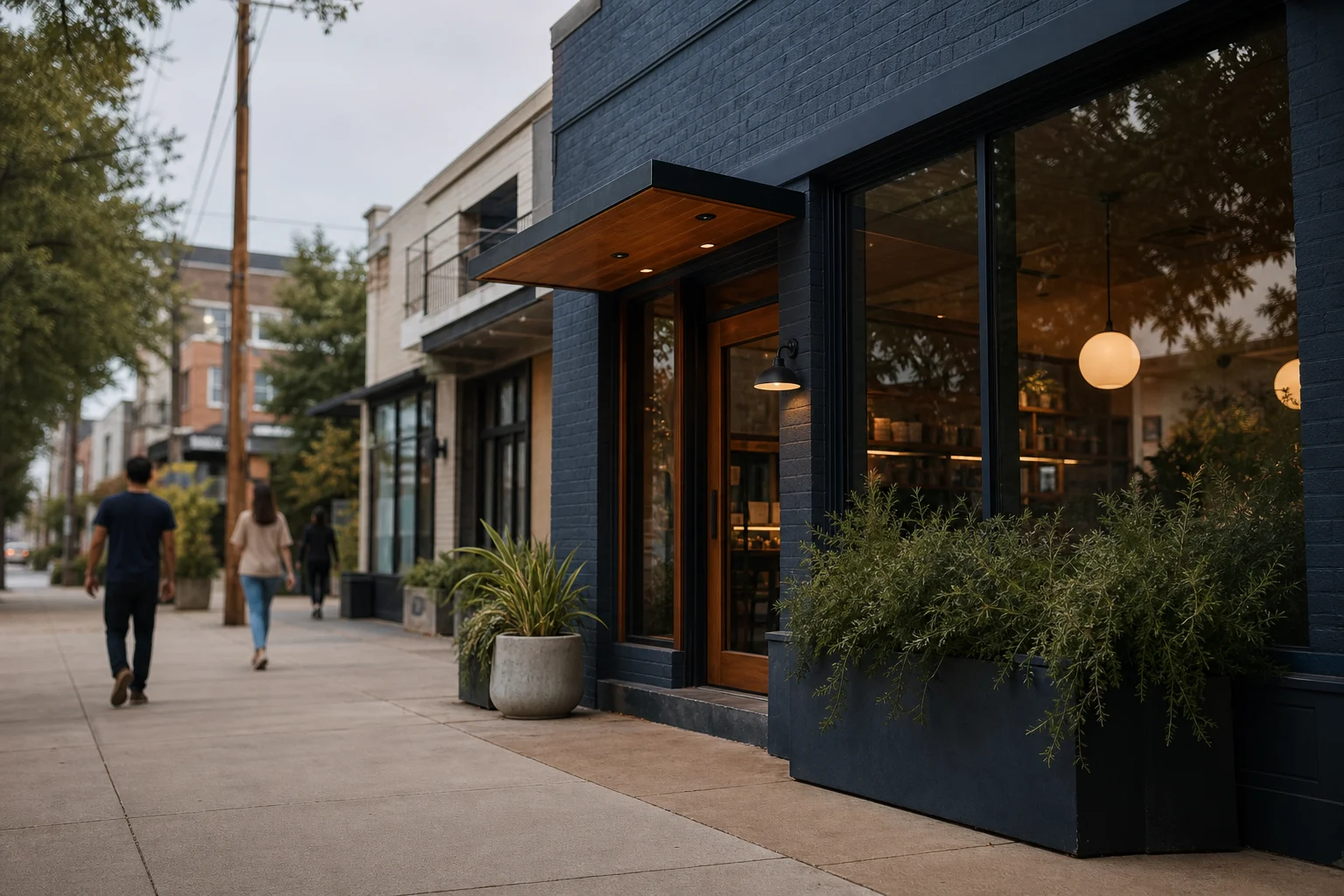
Where is the best location for a ramen and pho shop in Portland?
The answer depends on your business model, target audience, and budget. Portland's neighborhoods offer distinct advantages for ramen and pho shops, with Downtown and Goose Hollow leading the pack according to our data. These areas provide high foot traffic, diverse customer bases, and strong visibility-critical factors for a restaurant specializing in popular Asian noodle dishes. The choice ultimately comes down to balancing location advantages against operational costs and competition density.
Top neighborhoods for a ramen and pho shop in Portland
Downtown Portland
Downtown Portland scores 5.9/10 in our analysis, making it the top-ranked neighborhood for a ramen and pho shop. This area benefits from exceptional visibility and foot traffic, with major anchors including Pioneer Place mall, Union Way shopping center, and significant office spaces like the Pacific Building and CENTRL Office Portland - West End. The neighborhood also hosts educational institutions such as the University of Oregon Portland - Downtown Campus and Portland State University, creating a steady stream of potential customers.
The rent band in Downtown ranges from $42/sqft/yr NNN, reflecting the premium location. This higher cost is offset by the area's high customer density and visibility. Downtown already supports several successful ramen establishments, including Ramen Ryoma (4.7 stars, 859 reviews), Kizuki Ramen & Izakaya (4.6 stars, 496 reviews), and The House of Ramen PDX (4.4 stars, 819 reviews), demonstrating strong market demand for this cuisine type.
Goose Hollow
Tied with Downtown at 5.9/10, Goose Hollow offers a compelling alternative with slightly more affordable rent bands ($25-$42/sqft/yr NNN). This neighborhood maintains strong visibility while providing better value for businesses focused on controlling overhead costs. Key anchors include Pioneer Place and Union Way malls, along with office spaces like Goose Hollow Tower and Goose Hollow Plaza.
Goose Hollow benefits from excellent transit connections via Goose Hollow/SW Jefferson St and SW 18th & Goose Hollow stations, ensuring consistent customer flow throughout the day. The neighborhood's proximity to Downtown means you can capture spillover traffic while enjoying more favorable rental terms.
St. Johns
Scoring 5.6/10, St. Johns represents a strong neighborhood option with rent bands between $25-$42/sqft/yr NNN. This area features local anchors like St. Johns Plaza and Workshop St Johns, along with educational institutions including University of Portland. The neighborhood's distinct character and community focus create a loyal customer base that values neighborhood businesses.
St. Johns offers a more relaxed atmosphere compared to Downtown, potentially appealing to customers seeking a neighborhood ramen spot rather than a high-traffic destination. The area's transit connections via N Fessenden & Columbia Way and N Lombard & John ensure accessibility while maintaining a community feel.
OHSU / South Waterfront
With a score of 5.6/10, the OHSU / South Waterfront neighborhood presents opportunities for ramen and pho shops targeting health professionals, students, and residents. Rent bands here fall between $25-$42/sqft/yr NNN. Major anchors include OHSU Primary Care Clinic, South Waterfront shopping center, and Oregon Health & Science University.
This area benefits from a consistent customer base of medical professionals, students, and residents who appreciate convenient, high-quality dining options. The South Waterfront Lower Tram Terminal and OHSU Plaza provide excellent transit access, ensuring steady foot traffic throughout the day.
Hollywood District
Rounding out our top five, the Hollywood District scores 5.5/10 with rent bands from $25-$42/sqft/yr NNN. This neighborhood features Lloyd Center mall and Antique Alley as major anchors, along with office spaces like Hollywood Professional Center. The area's transit connections via Hollywood/NE 42nd Ave and NE Halsey & 42nd ensure good accessibility.
The Hollywood District already supports successful Asian dining establishments, including The Bulgogi + Dukuhbee Noodle (4.5 stars, 614 reviews), demonstrating market acceptance for this cuisine type. The neighborhood's diverse customer base and established food scene make it a solid choice for ramen and pho shop operators.
Neighborhood comparison table
| Neighborhood | Score | Rent Band | Key Advantages | Competition Density |
|---|---|---|---|---|
| Downtown | 5.9/10 | $42/sqft/yr NNN | Highest visibility, diverse customer base, strong foot traffic | High (multiple established ramen spots) |
| Goose Hollow | 5.9/10 | $25-$42/sqft/yr NNN | Excellent value, strong visibility, good transit | Moderate |
| St. Johns | 5.6/10 | $25-$42/sqft/yr NNN | Community-focused, loyal customer base, distinct character | Low-Moderate |
| OHSU / South Waterfront | 5.6/10 | $25-$42/sqft/yr NNN | Consistent professional customer base, good transit | Low-Moderate |
| Hollywood District | 5.5/10 | $25-$42/sqft/yr NNN | Established food scene, diverse anchors, good accessibility | Moderate |
How to validate the shortlist before signing a lease
Before committing to a location, conduct thorough validation of each neighborhood's suitability for your ramen and pho shop. Visit each area during different times of day and days of the week to assess foot traffic patterns. Observe customer demographics and spending habits at existing restaurants, particularly those serving Asian cuisine.
Research local permitting requirements with the City of Portland's Bureau of Development Services. Ramen and pho shops typically require food service permits, building permits for renovations, and potentially sidewalk café permits if you plan outdoor seating. The permitting process can take several months, so factor this into your timeline.
Assess parking availability and transit access. Downtown and Goose Hollow offer excellent public transit options, while neighborhoods like St. Johns and Hollywood District provide more parking options. Consider how your target customers will access your location and whether parking constraints might impact your business.
Evaluate the local competition more closely. Visit established ramen shops like Ramen Ryoma and Kizuki Ramen & Izakaya in Downtown to understand their operations, pricing, and customer base. Look for gaps in the market that your concept could fill, whether through unique menu offerings, pricing strategies, or service differentiators.
Local competition signals to check
When evaluating Portland's ramen and pho shop market, pay close attention to customer feedback on existing establishments. Google reviews reveal valuable insights about what customers value in Asian noodle restaurants. Common themes include appreciation for attentive service, quality ingredients, and reasonable pricing.
Existing operators report some operational challenges worth noting. Several reviews mention limited seating capacity, particularly for larger groups, and occasional issues with receipt printing machines. These pain points represent opportunities for new entrants to differentiate through better space planning and technology investments.
The market shows strong demand for creative menu offerings and high-quality ingredients. Reviewers frequently praise unique flavor combinations and seasonal specials, indicating that innovation in your ramen and pho offerings could attract attention in a competitive market.

FAQ
What makes Portland a good city for ramen and pho shops?
Portland's food culture embraces diverse culinary traditions, with a population that appreciates quality Asian cuisine. The city's neighborhoods offer varying customer demographics and foot traffic patterns, allowing ramen and pho shops to target specific market segments. Downtown and Goose Hollow provide high visibility and diverse customer bases, while neighborhoods like St. Johns and Hollywood District offer more community-focused opportunities.
How important is proximity to transit for a ramen and pho shop in Portland?
Transit access significantly impacts ramen and pho shop success in Portland. Neighborhoods with strong transit connections, such as Downtown (SW 5th & Madison) and Goose Hollow (Goose Hollow/SW Jefferson St), benefit from consistent customer flow throughout the day. Locations near MAX stations and bus lines ensure accessibility for customers without personal vehicles, expanding your potential market reach.
What should I look for in a rental space for my ramen and pho shop?
Prioritize spaces with good visibility, adequate seating capacity, and proper ventilation for noodle cooking. Consider the layout for efficient kitchen workflow and customer seating. Verify that the space meets all health and safety requirements for food service. Additionally, assess the availability of parking for staff and customers, and ensure the location aligns with your target customer demographic.
How does competition density affect ramen shop success in Portland?
Competition can be both challenging and beneficial. High-density areas like Downtown have established customer demand but require stronger differentiation. Neighborhoods with moderate competition, such as St. Johns, allow new entrants to establish a local following. Success often depends on offering unique menu items, superior service, or creating a distinct atmosphere that complements rather than directly competes with existing options.
Last reviewed: 2026-05-30
Sources: U.S. Census Bureau ACS, LEHD LODES, Google Places, OpenStreetMap, Locavisor neighborhood scoring.
Methodology: Locavisor scores neighborhoods across demand, competition fit, rent fit, accessibility, and customer match. Scores reflect a snapshot of recent data and should be combined with on-the-ground research before lease decisions.
Disclaimer: This article provides informational content only and does not constitute legal, financial, accounting, or real-estate advice. Verify lease terms, licensing, local regulations, costs, and professional requirements with qualified local professionals before making business decisions.
Free preview shows top 3 neighborhoods. Full $9.99 report covers all 10 areas with personalized scoring + 90-day check-ins.
Informational only. Verify lease, licensing, local regulations, costs, and professional requirements with qualified local professionals.