Detroit, MI · sandwich and deli shop
Best neighborhoods for a sandwich and deli shop in Detroit
Finding the right location can make or break a sandwich and deli shop in Detroit. With the city's diverse neighborhoods and varying customer demographics, choosing the right spot requires careful analysis of demand, competition, rent levels, accessibility, and customer match. This article ranks the best neighborhoods for opening a sandwich and deli shop in Detroit based on Locavisor neighborhood scoring data from May 2026.
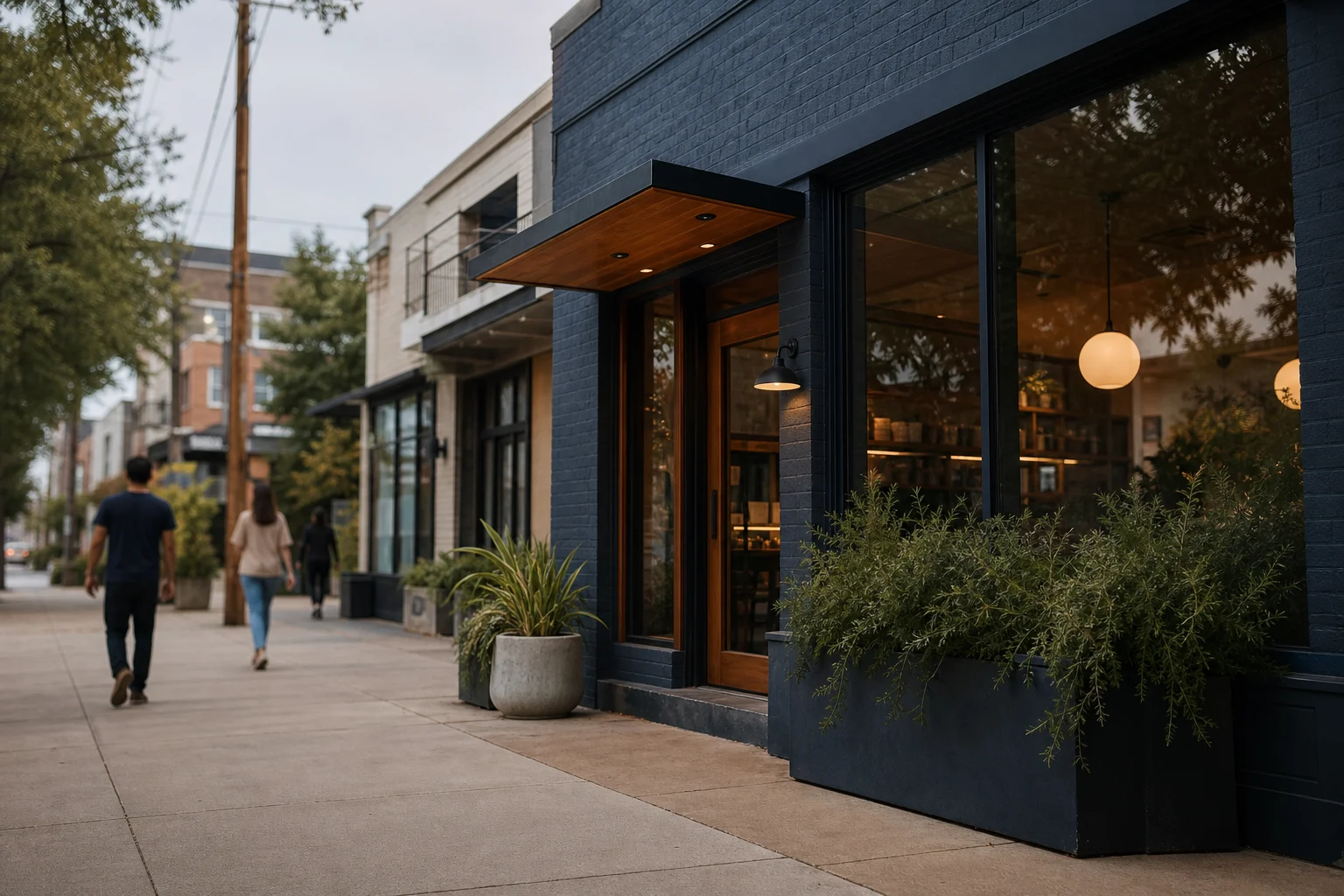
Why location fit matters for a sandwich and deli shop
Location is critical for a sandwich and deli shop's success. Unlike many other food businesses, sandwich shops rely heavily on foot traffic and nearby office workers for lunchtime sales. A prime location can provide consistent customer flow throughout the day, while a poor location may struggle to attract enough business to stay profitable. Detroit's urban landscape offers distinct advantages and challenges for sandwich shop entrepreneurs, with some neighborhoods offering dense daytime populations and others providing residential stability.
Top 3 neighborhoods to consider
Based on Locavisor neighborhood scoring data from May 2026, three Detroit neighborhoods stand out as prime locations for a sandwich and deli shop:
Lafayette Park (7.7/10)
Lafayette Park is your strongest bet — a stable residential enclave steps from downtown's office core with maxed-out daytime worker density and city-leading walkability. Expect roughly $30-50/sqft NNN. The lunch daypart is near ceiling, and the area has zero same-business competitors within the immediate search radius.
This neighborhood offers a unique combination of residential stability and commercial opportunity. With its proximity to downtown offices and high walkability score, Lafayette Park provides consistent foot traffic throughout the day. The lack of direct competition means a new sandwich shop could quickly establish itself as the go-to lunch spot in the area.
Downtown Detroit (7.7/10)
Downtown Detroit (Woodward Ave / Campus Martius corridor) has the densest lunch-worker concentration in the city and excellent transit connectivity via Rosa Parks Transit Center and multiple People Mover stations. Expect roughly $30-50/sqft NNN.
The heart of Detroit's commercial district, Downtown offers unparalleled access to office workers during lunch hours. The multiple transit options make it accessible to customers from across the metro area, while the high concentration of businesses ensures a steady stream of potential customers. The rent levels are reasonable considering the prime location and customer density.
Greektown (7.6/10)
Greektown sits adjacent to downtown's office core with strong walkability, excellent parking access, and a People Mover station on Monroe St. Expect roughly $30-50/sqft NNN. The area is dominated by Greek restaurants and Astoria Pastry Shop (4.5★, 2,552 reviews) — a sandwich-deli would stand out as a non-Greek lunch alternative.
While Greektown has a strong food culture, it lacks dedicated sandwich and deli establishments, creating an opportunity for entrepreneurs. The neighborhood's proximity to downtown offices ensures a steady lunch crowd, while the People Mover station provides excellent connectivity. The presence of Astoria Pastry Shop demonstrates the area's appreciation for quality food establishments.
How the neighborhood scores are built
Locavisor neighborhood scoring evaluates potential business locations across five key dimensions: demand, competition density, rent level, accessibility, and customer match. Each neighborhood receives a score from 1-10, with higher scores indicating better potential for a sandwich and deli shop.
Demand measures the concentration of potential customers, particularly office workers who frequent sandwich shops during lunch hours. Competition density assesses the number of similar businesses in the area, with lower density generally being preferable for new entrants. Rent level evaluates the cost of commercial space relative to the potential revenue. Accessibility considers transportation options and walkability. Customer match analyzes how well the neighborhood demographics align with the target customer base for a sandwich and deli shop.
The scores are based on a comprehensive analysis of neighborhood characteristics, including population density, workplace concentrations, transportation infrastructure, and existing business landscape. This data is updated regularly to reflect changing conditions in Detroit's neighborhoods.
How to validate the shortlist before signing a lease
While neighborhood scores provide valuable guidance, successful entrepreneurs conduct additional validation before committing to a location. Spend time in each neighborhood during different times of day and days of the week to observe actual foot traffic and customer behavior. Talk to local business owners to understand neighborhood dynamics and any upcoming changes that might impact your business.
Consider conducting a formal customer survey in your top neighborhoods to gauge interest in a sandwich and deli shop. This can help validate the demand indicated by the neighborhood scores. Additionally, research any planned developments or infrastructure projects that might affect accessibility or customer demographics in the coming years.
Before making a final decision, evaluate the specific property's visibility, accessibility, and suitability for a sandwich and deli operation. Consider factors like parking availability, proximity to public transportation, and the condition of the building. A thorough due diligence process can help avoid costly mistakes and set your business up for success.
Common mistakes founders make in Detroit
Many new restaurant entrepreneurs make avoidable mistakes when choosing a location in Detroit. One common error is underestimating the importance of lunchtime traffic. Sandwich shops typically generate the majority of their revenue during lunch hours, so locations with strong daytime populations are essential.
Another mistake is failing to account for seasonality in Detroit. Some neighborhoods experience significant population fluctuations between summer and winter months, which can impact year-round revenue potential. Choose locations with stable customer bases throughout the year.
Some founders also overlook the importance of parking and accessibility. While walkability is important, many customers will drive to your location, especially for catering orders. Ensure your chosen location has adequate parking and is easily accessible by car.
Finally, don't underestimate the importance of understanding the local competition. Research existing sandwich shops, delis, and similar establishments in your target neighborhood. Identify their strengths and weaknesses to find a unique positioning that will attract customers.

FAQ
Where is the best location for A Sandwich and Deli Shop in Detroit?
Based on Locavisor neighborhood scoring data from May 2026, Lafayette Park and Downtown Detroit both tie for the best location with a score of 7.7/10. Lafayette Park offers a stable residential environment with high walkability and no direct competition, while Downtown Detroit provides the densest concentration of office workers and excellent transit connectivity. Greektown ranks third with a score of 7.6/10, offering strong walkability and parking access with an opportunity to differentiate from the area's Greek restaurants.
What rent can I expect for a sandwich and deli shop in Detroit's top neighborhoods?
In the top-ranked neighborhoods (Lafayette Park, Downtown Detroit, and Greektown), commercial rent typically ranges from $30-50 per square foot per year on a triple net lease (NNN). This rate is relatively reasonable for prime locations in Detroit and reflects the high potential for customer density in these areas.
How important is walkability for a sandwich and deli shop?
Walkability is crucial for sandwich and deli shops, as many customers will visit on foot during lunch breaks. Lafayette Park leads Detroit in walkability scores, making it particularly well-suited for this type of business. However, Downtown Detroit and Greektown also offer strong walkability combined with other advantages like transit connectivity and parking availability.
What are the biggest challenges for sandwich shops in Detroit?
The primary challenges for sandwich shops in Detroit include seasonality (some neighborhoods experience significant population fluctuations between summer and winter), competition from established delis and sandwich chains, and the need for strong lunchtime performance to sustain the business. Choosing a location with consistent daytime traffic and minimal direct competition can help mitigate these challenges.
How can I differentiate my sandwich and deli shop in Detroit?
Differentiation is key in Detroit's competitive food scene. Consider focusing on local ingredients and Detroit-themed menu items to appeal to local pride. Unique sandwich combinations, high-quality ingredients, and exceptional customer service can help set your business apart. In neighborhoods like Greektown, positioning your shop as a non-Greek lunch alternative can be a strategic advantage.
Last reviewed: 2026-05-08
Sources: U.S. Census Bureau ACS, LEHD LODES, Google Places, OpenStreetMap, Locavisor neighborhood scoring.
Methodology: Locavisor scores neighborhoods across demand, competition fit, rent fit, accessibility, and customer match. Scores reflect a snapshot of recent data and should be combined with on-the-ground research before lease decisions.
Disclaimer: This article provides informational content only and does not constitute legal, financial, accounting, or real-estate advice. Verify lease terms, licensing, local regulations, costs, and professional requirements with qualified local professionals before making business decisions.
Free preview shows top 3 neighborhoods. Full $9.99 report covers all 10 areas with personalized scoring + 90-day check-ins.
Informational only. Verify lease, licensing, local regulations, costs, and professional requirements with qualified local professionals.