Los Angeles, CA · sandwich and deli shop
Best neighborhoods for a sandwich and deli shop in Los Angeles
Finding the right location is critical for any food business, especially for a sandwich and deli shop in a competitive market like Los Angeles. The best neighborhoods for a sandwich and deli shop in Los Angeles offer a balance of high foot traffic, reasonable rent, and appropriate customer demographics. This analysis examines the top neighborhoods based on Locavisor neighborhood scoring to help you make an informed decision about where to open your sandwich and deli shop.
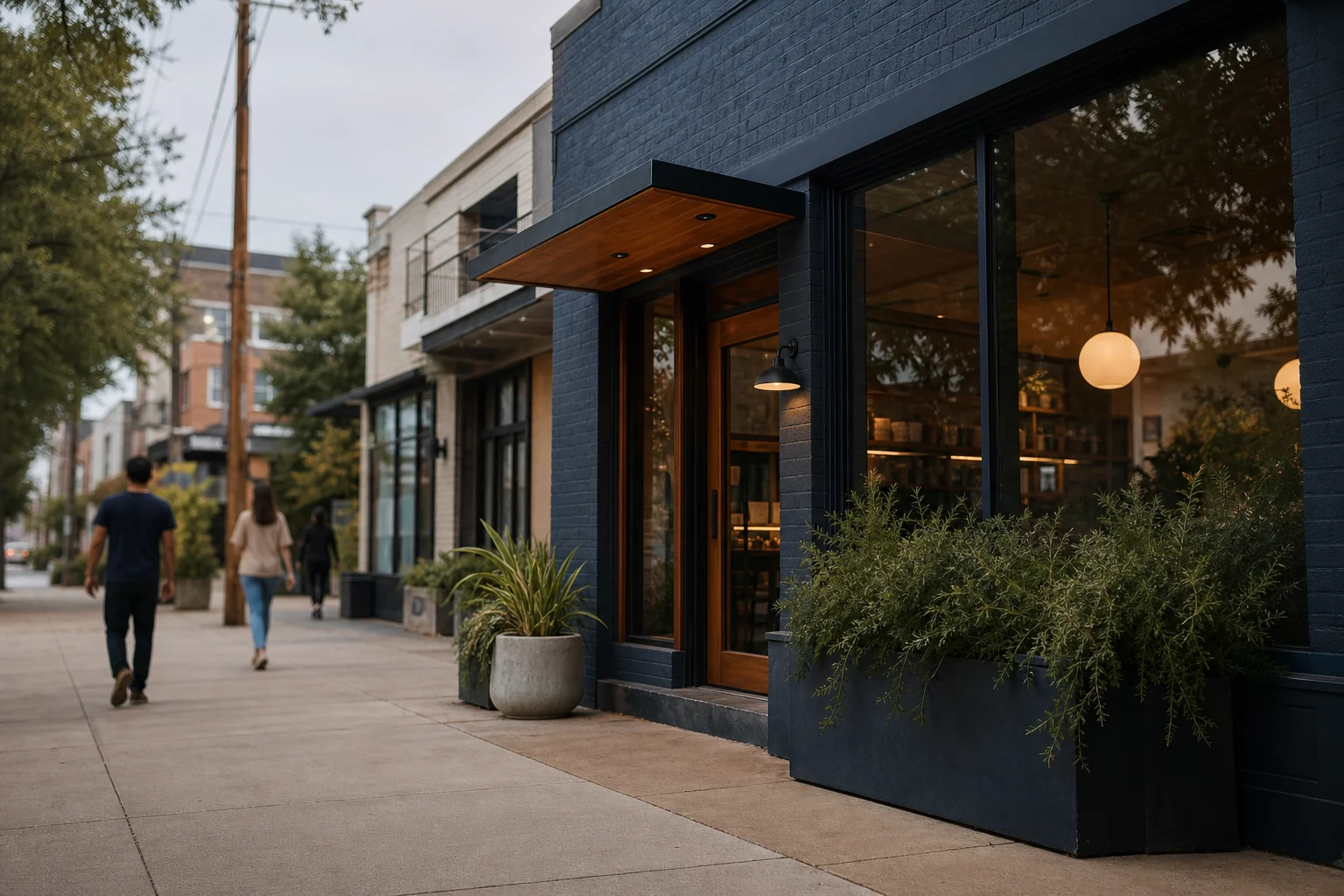
Why location fit matters for a sandwich and deli shop
Location is everything in the food service industry. A sandwich and deli shop needs visibility, accessibility, and the right customer base to thrive. The best areas for a sandwich and deli shop in Los Angeles will have high daytime foot traffic from office workers, strong walkability, and reasonable commercial rent. Your location determines your customer reach, operating costs, and ultimately your profitability. A well-chosen neighborhood can provide the steady customer flow needed to sustain your business through both peak and off-peak hours.
Top 3 neighborhoods to consider
Based on Locavisor neighborhood scoring, three areas stand out as the best options for opening a sandwich and deli shop in Los Angeles. Each offers unique advantages for different business models and budgets.
Downtown LA (DTLA) (7.7/10)
DTLA is the strongest play for a lunch-focused sandwich shop in LA. Office density is maxed out — roughly 10,500 weekday workers within 800m — and walkability is near ceiling. Rent runs roughly $30-50/sqft NNN, workable for medium budget. The area has a market temperature rated as promising with medium competition density. With a score confidence of 78%, DTLA offers a solid foundation for a sandwich and deli business targeting the downtown workforce.
Burbank (7.6/10)
Burbank's Downtown corridor near Burbank Town Center and the Metrolink station offers strong office demand from media studios (Disney, Warner Bros) with roughly 7,800 daytime workers within 800m. Rent runs roughly $30-50/sqft NNN. Only 3 direct competitors nearby — Ike's (4.5★, 369 reviews), Baked Pizza and Sandwiches (4.7★, 233 reviews), and a Subway (4.4★, 223 reviews). The lower competition density in Burbank presents an opportunity for a new sandwich and deli shop to establish itself in the market.
Culver City (7.4/10)
Culver City's downtown core near Sony Pictures and the Expo Line is a strong contender. Office demand is at ceiling, walkability is strong, and the Expo Line connects to DTLA and Santa Monica. Rent runs roughly $45-70/sqft NNN — higher than Burbank. Five sandwich-deli competitors nearby including Jackson Market and Deli (4.6★, 1,432 reviews) and Mendocino Farms (4.4★, 186 reviews). Despite the higher rent and more competition, Culver City's strong transportation connections and established business community make it a viable option for a well-positioned sandwich and deli shop.
How the neighborhood scores are built
Locavisor neighborhood scoring evaluates potential business locations based on multiple factors relevant to sandwich and deli shops. The scoring system considers demand indicators like daytime population density and nearby office workers. Competition density measures the number of similar businesses in the area. Rent level assesses affordability for small business owners. Accessibility evaluates transportation connections and walkability. Customer match analyzes demographic alignment with typical sandwich and deli patrons.
Each neighborhood receives an overall score from 1-10, with higher scores indicating better potential for a sandwich and deli shop. The scoring also includes a confidence percentage indicating the reliability of the data based on information availability and consistency. Market temperature indicates the general business climate in the area, ranging from cooling to hot.
How to validate the shortlist before signing a lease
Before committing to a location, conduct thorough due diligence. Visit each neighborhood at different times of day to observe foot traffic patterns. Talk to local business owners about their experiences. Research the specific property's visibility, parking availability, and any potential restrictions. Consider how the location aligns with your business model and target customer base.
Check for any upcoming developments or construction that might impact your business. Review local health department requirements and permitting processes. Speak with a commercial real estate agent familiar with the area to understand lease terms and negotiation opportunities. The validation process helps ensure the neighborhood's potential matches the on-the-ground reality.
Common mistakes founders make in Los Angeles
Many new food business owners make avoidable mistakes when selecting a location. One common error is underestimating the importance of visibility and accessibility. A great sandwich shop in a hard-to-find location will struggle regardless of product quality. Another mistake is failing to research local competition thoroughly. Understanding what similar businesses offer and their pricing helps position your shop effectively.
Some founders focus too much on rent savings while ignoring other critical factors. A slightly higher rent in a prime location often proves more profitable than a cheaper spot with less traffic. Others neglect to consider operational logistics like delivery access, supplier routes, and waste disposal. Avoiding these mistakes increases your chances of finding the best location for your sandwich and deli shop in Los Angeles.

FAQ
Where is the best location for A Sandwich and Deli Shop in Los Angeles?
Based on Locavisor neighborhood scoring, Downtown LA (DTLA) ranks as the best location for a sandwich and deli shop in Los Angeles with a score of 7.7/10. DTLA offers the highest office density with approximately 10,500 weekday workers within 800m, strong walkability, and reasonable rent at $30-50/sqft NNN. Burbank (7.6/10) and Culver City (7.4/10) follow as strong alternatives with their own advantages.
What factors make a neighborhood good for a sandwich and deli shop?
The best neighborhoods for sandwich and deli shops typically have high daytime population density from office workers, strong walkability, reasonable commercial rent, and manageable competition. Transportation accessibility and alignment with your target customer demographic are also important factors. Areas with complementary businesses like coffee shops or offices can provide additional customer flow.
How important is rent when choosing a location?
Rent is an important factor but shouldn't be the sole consideration. A slightly higher rent in a prime location with high foot traffic often proves more profitable than a cheaper spot with less visibility. Consider the total occupancy costs including utilities, maintenance, and taxes. The ideal rent level balances affordability with the potential revenue from the location's customer traffic.
How much competition is too much for a new sandwich shop?
Competition density varies by neighborhood. DTLA has medium competition density, Burbank has only 3 direct competitors, and Culver City has 5 sandwich-deli competitors nearby. Some competition can actually help validate the market and create a food destination. The key is understanding how your offering differs from existing options and whether there's room for another player in the market.
What's the best time of day to evaluate potential neighborhoods?
Visit potential neighborhoods at multiple times to get a complete picture. Morning hours (7-9am) help capture breakfast traffic and morning commutes. Midday (11am-2pm) shows lunch patterns which are critical for sandwich shops. Late afternoon (4-6pm) reveals after-work traffic. Weekend visits can show different customer patterns and foot traffic. Consistent observation across different days provides the most accurate assessment.
Last reviewed: 2026-05-08
Sources: U.S. Census Bureau ACS, LEHD LODES, Google Places, OpenStreetMap, Locavisor neighborhood scoring.
Methodology: Locavisor scores neighborhoods across demand, competition fit, rent fit, accessibility, and customer match. Scores reflect a snapshot of recent data and should be combined with on-the-ground research before lease decisions.
Disclaimer: This article provides informational content only and does not constitute legal, financial, accounting, or real-estate advice. Verify lease terms, licensing, local regulations, costs, and professional requirements with qualified local professionals before making business decisions.
Free preview shows top 3 neighborhoods. Full $9.99 report covers all 10 areas with personalized scoring + 90-day check-ins.
Informational only. Verify lease, licensing, local regulations, costs, and professional requirements with qualified local professionals.